How to Safely Install Power for a Home Medical Setup: A Complete Guide
When you rely on medical devices at home, power reliability is more than a convenience—it’s a lifeline. From oxygen concentrators to CPAP machines, ensuring your home setup has safe, redundant power is crucial for your health and peace of mind. In this guide, we’ll walk you through the practical steps and expert considerations for installing power for home medical equipment, so you can keep your essential devices running smoothly no matter what.
Understanding the Power Needs of Home Medical Equipment
Not all medical devices are created equal—especially when it comes to their electrical requirements. Oxygen concentrators, ventilators, hospital beds, and mobility equipment each draw different amounts of power and may have unique needs, such as surge protection or battery backup. For instance, an oxygen concentrator typically draws between 300 and 600 watts, depending on the model and flow rate. Devices like powered wheelchairs or suction machines may have different voltage and amperage needs. Understanding the requirements of each device is the first step in creating a safe and reliable home medical setup.
It’s essential to read the manufacturer’s specifications for every device you plan to use. Look for details on voltage, amperage, and whether the equipment has any special power requirements, such as a dedicated circuit or an uninterruptible power supply (UPS). Keep in mind that plugging multiple devices into a single outlet can overload the circuit, which poses both a safety hazard and a risk of losing power to critical medical equipment.
Assessing Your Home’s Electrical System for Medical Equipment
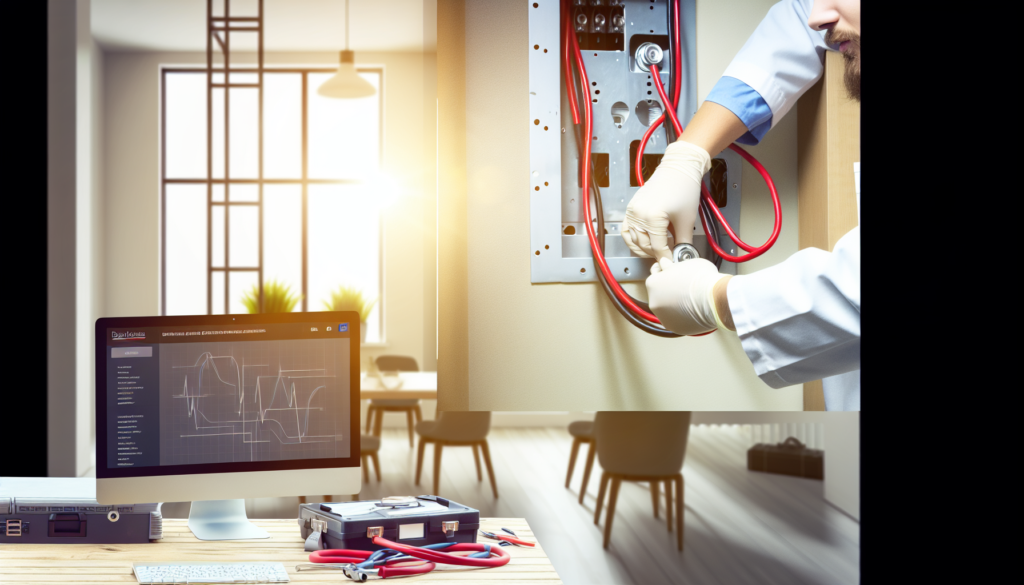
Before adding new medical equipment power loads, it’s wise to have a licensed electrician evaluate your home’s electrical panel and wiring. Older homes may have outdated wiring or insufficient circuits, which can lead to tripped breakers or voltage drops—both of which can interrupt power to life-saving devices. An assessment will determine whether your panel can handle the extra load and if any upgrades are necessary.
A professional will check for available circuit capacity, the condition of existing outlets, and the presence of ground-fault circuit interrupters (GFCIs), which are especially important if your medical equipment is used in areas where moisture is present, such as bathrooms or bedrooms. If your panel is full, or if your wiring shows signs of wear, it may be time to consider an upgrade to ensure safe, reliable power for your home medical setup.
Installing Dedicated Circuits for Critical Devices
For vital equipment like an oxygen concentrator, installing a dedicated circuit is one of the best ways to ensure reliable operation. A dedicated circuit is a separate electrical line that serves only one outlet or device, eliminating the risk of overload from other appliances. This is especially important for devices that must run continuously or for extended periods.
A licensed electrician can install a dedicated circuit from your main electrical panel directly to the location of your medical equipment. This approach is not only safer but also simplifies troubleshooting if a problem arises. For example, if your oxygen concentrator is plugged into a dedicated outlet and loses power, you know exactly which breaker to check and can quickly restore service. Additionally, labeling these dedicated outlets as “Medical Equipment Power Only” can prevent accidental unplugging or misuse.
Ensuring Redundancy: Backup Power Solutions for Medical Equipment
One of the most important aspects of a home medical power setup is redundancy. Power outages—whether caused by storms, grid issues, or accidental breaker trips—can be life-threatening if you rely on devices like an oxygen concentrator. That’s why every home medical setup should include a robust backup power plan.
Uninterruptible Power Supplies (UPS)
A UPS provides immediate, automatic backup power to your devices in the event of a blackout. While most commonly used for computers, there are models designed specifically for medical equipment power. A UPS can keep devices like oxygen concentrators running for a short period, giving you time to switch to a longer-term backup or wait out a brief outage. Make sure to select a UPS with the correct wattage and runtime for your devices, and test it regularly to ensure it’s functioning as expected.
Portable Generators
For extended outages, a portable generator can be a lifesaver. Look for inverter generators, which deliver clean, stable power suitable for sensitive electronics and medical equipment. Always use generators outdoors, far from windows and doors, to prevent carbon monoxide buildup. Plan ahead with heavy-duty extension cords and know exactly which devices you’ll need to power. Consider a generator transfer switch for added safety and convenience, allowing you to switch circuits in your main panel to generator power without running extension cords throughout the house.
Whole-Home Backup Generators
For maximum peace of mind, a standby generator can be professionally installed to automatically power your entire home, or selected circuits, during an outage. These systems run on natural gas or propane and are wired directly into your electrical panel. When the power goes out, the generator starts automatically, ensuring your oxygen concentrator and other life-saving devices never miss a beat. Though the upfront investment is higher, whole-home generators are the gold standard for medical equipment power redundancy.
Safe Outlet Placement and Surge Protection
Strategic placement of outlets is critical for a home medical setup. Outlets should be easily accessible but out of the way of foot traffic to minimize tripping hazards. For bedridden patients or those with limited mobility, installing outlets at a higher level on the wall can make it easier to plug in and unplug devices without bending or reaching. Outlets near beds, recliners, or mobility stations should be dedicated to medical equipment power whenever possible.
Surge protection is another crucial component. Power surges—caused by lightning strikes, grid switching, or even large appliances cycling on and off—can damage sensitive medical devices. Use high-quality surge protectors rated for medical equipment, or have your electrician install whole-house surge protection at your main panel. This will protect not only your oxygen concentrator and other devices, but also your home’s entire electrical system.
Routine Maintenance and Testing for Reliability
Even the best-installed system requires regular maintenance to remain reliable. Schedule annual inspections with a licensed electrician to check all outlets, dedicated circuits, and backup power solutions. Test your UPS and generator systems at least quarterly; batteries can degrade over time, and fuel in portable generators can go stale. For oxygen concentrators and other critical devices, plug them into the backup system during tests to ensure seamless operation during an actual outage.
It’s also wise to keep a log of maintenance activities and backup power tests. This documentation can be invaluable during emergencies and helps you quickly identify and address any weak points in your setup. Don’t forget to replace surge protectors every few years, as their protective components can wear out after repeated surges.
Planning for Emergencies: Communication and Contingency Plans
A reliable medical equipment power setup is only part of your emergency preparedness plan. Make sure all household members know how to operate backup systems and where to find emergency supplies. Post clear instructions near each device, including how to reset breakers, operate the generator, and switch over to battery or UPS power. Keep important phone numbers—such as your electrician, medical device supplier, and local utility—readily available.
For those using an oxygen concentrator or other essential equipment, register with your local utility company as a medically vulnerable customer. Many utilities offer priority service restoration and may even provide advance notice of planned outages. Finally, have a “go bag” ready with portable medical devices, spare batteries, and charging cables, in case you need to evacuate or relocate during an extended outage.
Professional Installation vs. DIY: Why Expert Help Matters
While it may be tempting to handle electrical upgrades yourself, medical equipment power demands strict adherence to code and best practices. Improper wiring, overloaded circuits, or poorly chosen backup solutions can put your health—and your home—at risk. Licensed electricians have the training and experience to size circuits correctly, install outlets safely, and ensure all work meets local codes and the National Electrical Code (NEC).
An expert can also recommend the best surge protection, backup power options, and maintenance schedules based on your unique needs. This is especially important for complex setups involving multiple devices or specialized equipment like oxygen concentrators, ventilators, or hospital beds. Investing in professional installation means you can trust your system to work when you need it most, without unpleasant surprises.
Conclusion: Peace of Mind for You and Your Loved Ones
Setting up reliable power for home medical equipment is a critical investment in your safety and well-being. By understanding your devices’ needs, upgrading your electrical system, installing dedicated circuits, and planning for emergencies, you can ensure that life-saving equipment like an oxygen concentrator is always ready to go. Don’t leave anything to chance—take the time to build a setup you can count on.
If you need help installing medical equipment power, upgrading your panel, or setting up a backup generator, our expert team is here to help. Contact us today for a personalized assessment and enjoy peace of mind knowing your home medical setup is in the best hands.