Understanding Low-Voltage Data Cabling: Essential Knowledge for Modern Homes
In today’s connected world, the demand for reliable, high-speed internet and robust home networking has never been higher. Whether you’re streaming 4K movies, working from a home office, or supporting a smart home ecosystem, the foundation of seamless connectivity lies in professional low-voltage data cabling. If you’re considering ethernet wiring for your home or a Cat6 installation, understanding the basics of low-voltage cabling is the first step toward a network that delivers speed, stability, and minimal interference.
What is Low-Voltage Data Cabling?
Low-voltage data cabling refers to the network of cables and wiring systems that transmit digital information, such as internet and phone signals, throughout your home. Unlike standard electrical wiring, which carries high-voltage power, low-voltage cabling operates at much lower voltages (typically under 50 volts), making it safer and specifically optimized for data transmission. The most common types of low-voltage cables include Ethernet cables (such as Cat5e, Cat6, and Cat6a), coaxial cables, and fiber optic lines.
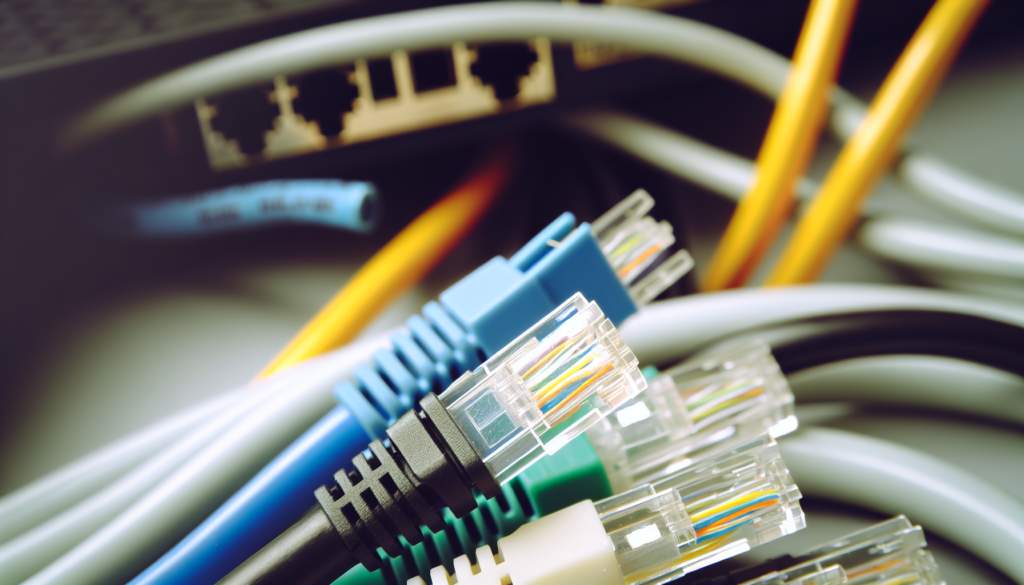
The backbone of most modern home networks is structured around Ethernet wiring. Ethernet cables use twisted pair wiring to reduce electromagnetic interference and support high-speed data transfer, which is essential for uninterrupted streaming, gaming, and remote work. For homeowners looking to future-proof their network, Cat6 installation is now the standard, providing faster speeds and better resistance to interference compared to older cable types.
Key Benefits of Professional Ethernet Wiring at Home
Opting for professional ethernet wiring in your home provides a host of advantages over relying solely on wireless connections. Wired networks deliver consistent speeds and are less susceptible to the kinds of interference that can plague Wi-Fi networks—think thick walls, metal appliances, and competing signals from neighboring routers. For anyone who’s struggled with lag during a video call or buffering while streaming, a well-designed wired network is a game-changer.
A Cat6 installation, in particular, is designed for high bandwidth and low crosstalk, supporting speeds up to 10 Gbps over short distances. This makes it ideal for homes with multiple users, smart devices, and increasing data demands. Additionally, ethernet wiring home solutions are more secure than Wi-Fi, since physical connections are far less vulnerable to outside intrusion. This is especially important if you work from home or handle sensitive information.
Understanding Ethernet Cable Categories
Not all Ethernet cables are created equal. The “Cat” in Cat5e, Cat6, and Cat6a stands for “Category,” with each new generation offering improvements in speed, interference reduction, and overall performance. For most homeowners, the decision usually comes down to Cat5e versus Cat6 installation.
Cat5e: The Minimum Standard
Cat5e (Category 5 enhanced) cabling supports speeds up to 1 Gbps and is suitable for most basic networking needs. It’s an affordable option for smaller homes or networks that don’t require heavy bandwidth. However, as streaming, gaming, and smart devices become more prevalent, Cat5e is slowly being outpaced by newer standards.
Cat6 and Cat6a: The Modern Solution
Cat6 cables are the current industry standard for new home installations. They support up to 10 Gbps at shorter distances (up to 55 meters) and provide superior shielding against interference, thanks to tighter twists and improved insulation. Cat6a goes a step further, maintaining 10 Gbps speeds over longer distances (up to 100 meters) and offering even better protection from crosstalk.
When planning ethernet wiring for your home, a Cat6 installation is the smart choice for future-proofing. Even if your current internet plan doesn’t require those speeds today, upgrading your wiring now means your home network will be ready for tomorrow’s technology.
How Low-Voltage Data Cabling is Installed in Homes
Professional low-voltage data cabling installation begins with a thorough assessment of your home’s layout and your specific networking needs. Experienced technicians will map out the best cable runs to minimize interference, avoid electrical wiring, and ensure every room gets optimal coverage. For new construction, cables are typically run through walls, ceilings, or floors before the drywall goes up, making for a clean, concealed installation.
In existing homes, installers may need to fish cables through walls or use surface-mounted raceways to route cables discreetly. Termination points—such as wall jacks, patch panels, or network switches—are carefully placed for easy access and future expansion. It’s not just about running cables; it’s about designing a system that supports your needs today and can be easily upgraded as technology evolves.
Real-World Example: Whole-Home Cat6 Installation
Consider a family building a new home who wants robust internet in every room for work, school, and entertainment. Their installer recommends a Cat6 installation with multiple data drops in each major room—living areas, bedrooms, home office, and even the garage for potential smart device integration. The wiring is run during construction, terminated in a central utility closet, and tested for speed and connectivity before move-in. This approach ensures seamless coverage and high-speed performance throughout the home.
Tips for Planning Your Home Ethernet Wiring Project
If you’re considering ethernet wiring for your home, a little planning goes a long way. Start by identifying where you need wired connections—think about home offices, media centers, gaming areas, and any locations where strong Wi-Fi is unreliable. Even if you don’t need every room wired today, installing extra cable runs or empty conduit can save time and money down the road.
Work with a professional who has experience in low-voltage data cabling and Cat6 installation. A licensed installer will know how to avoid interference from electrical wiring, select the best cable type for each run, and ensure all terminations are clean and reliable. Don’t forget to plan for future needs, like smart home devices, security cameras, or home automation hubs. Investing in high-quality cabling now can prevent costly upgrades later.
Common Mistakes to Avoid with Low-Voltage Data Cabling
DIY data cabling projects can be tempting, but mistakes in planning or installation can lead to frustrating connectivity issues. One common error is running Ethernet cables parallel to electrical wires, which can introduce interference and degrade network performance. Always cross electrical lines at a 90-degree angle or keep data cables at least 12 inches away from power lines whenever possible.
Another pitfall is using outdated cable types, like standard Cat5 or even Cat5e, when a Cat6 installation would better serve long-term needs. Skimping on quality—whether it’s the cable itself or the connectors—can result in unreliable connections, especially as data demands grow. Finally, improper termination or failing to test each cable run before finishing the job can lead to difficult-to-diagnose issues once walls are closed up.
The Importance of Interference-Free Wiring
One of the key goals of professional low-voltage data cabling is minimizing interference. Electromagnetic interference (EMI) from electrical wiring, appliances, or other electronic devices can degrade network performance and cause intermittent connectivity problems. This is why high-quality Cat6 cables are designed with tighter twists and sometimes even shielding to help block out unwanted noise.
In addition to cable choice, careful routing and installation techniques are crucial. Experienced installers will avoid running data cables near sources of EMI, such as fluorescent lights, HVAC equipment, or large appliances. They’ll also secure cables to prevent sagging or damage over time. These best practices help ensure your ethernet wiring home project delivers the high-speed, interference-free networking experience you expect.
Testing and Maintaining Your Home Data Network
Once your low-voltage data cabling is installed, it’s essential to test every run for speed, connectivity, and signal integrity. Professional installers use specialized tools to verify that each cable meets or exceeds the required performance standards. This ensures that your new Cat6 installation delivers the promised speeds and minimizes the risk of future issues.
Ongoing maintenance is usually minimal, but it’s smart to periodically check connections and inspect visible cables for wear, especially if you have pets or children who might disturb them. Should you ever need to upgrade your network hardware or add new devices, having a well-documented cabling system makes expansion much simpler and less disruptive.
Future-Proofing Your Home with Structured Cabling
Structured cabling is a holistic approach to home networking that anticipates future technology needs. By installing extra Ethernet drops, conduit, or even fiber optic lines, you can ensure your home network can accommodate new devices and faster internet plans for years to come. This is especially important as more homes adopt smart technology, video surveillance, and high-bandwidth applications.
A well-designed Cat6 installation isn’t just about meeting today’s internet demands—it’s an investment in your home’s value and your family’s digital lifestyle. Whether you’re building new, remodeling, or simply upgrading a few rooms, professional low-voltage data cabling provides the reliable, high-performance backbone your modern home needs.
Conclusion: Invest in Professional Low-Voltage Cabling for Peace of Mind
Reliable, high-speed home networking starts with expert low-voltage data cabling. Choosing the right ethernet wiring home solution—especially a Cat6 installation—ensures you enjoy uninterrupted streaming, gaming, and smart device connectivity without interference. With careful planning and professional installation, your network will be ready to meet today’s demands and tomorrow’s innovations.
Ready to upgrade your home’s network? Contact our team of experienced cabling professionals today for a consultation and discover how we can help you achieve fast, interference-free connectivity throughout your home.