
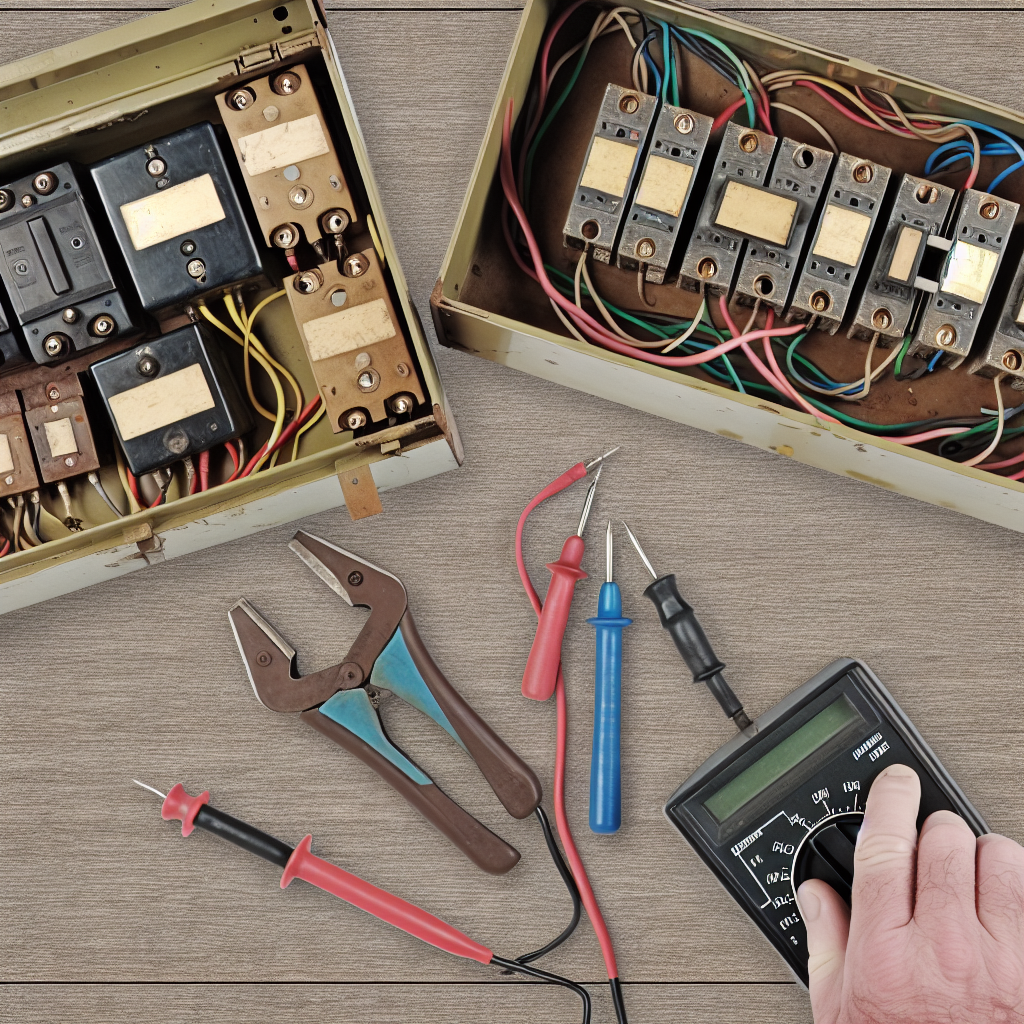
Understanding Blown Fuses in Older Electrical Units: Causes and Solutions
Homeowners living in houses with vintage electrical systems know that blown fuses are a recurring headache. Unlike modern circuit breakers, these older units often rely on screw-in fuses, and when something goes wrong, it can be challenging to pinpoint the exact cause. If you’re frequently finding yourself having to replace screw in fuse after fuse, understanding the typical blown fuse causes in these aging systems is crucial—not just for convenience, but for your safety as well. Let’s walk through the most common culprits, how to troubleshoot them, and what you can do to keep your home running smoothly.
What Makes Older Electrical Units Prone to Blown Fuses?
Vintage electrical panels were designed for a time when homes used far less electricity. Decades ago, a home’s typical load was limited to a few lights and basic appliances. Today, we rely on power-hungry devices and modern conveniences that older systems simply weren’t built to handle. The increased demand means these older units are much more susceptible to blown fuses, especially if the wiring and components haven’t been updated in years.
Another factor is the inherent design of screw-in fuses themselves. Unlike modern breakers that can be reset, a blown fuse must be replaced. This design can hide the underlying problem: if you’re frequently replacing the same fuse, it’s a sign of a deeper issue that needs attention. Ignoring it not only becomes a hassle, but also increases the risk of electrical fires and damage to your home’s wiring.
Overloaded Circuits: The Leading Cause of Blown Fuses
By far, the most common cause of blown fuses in older units is overloaded circuits. Each fuse is rated for a specific amperage, and if the total electrical draw on that circuit exceeds the fuse rating, the fuse will blow to prevent overheating and potential fires. This safety mechanism is essential, but it’s often triggered by modern living habits.
For example, plugging a space heater and a hair dryer into outlets on the same circuit can easily exceed a 15-amp fuse’s capacity. In older homes, it’s not unusual for multiple rooms to share a single circuit, so running a vacuum cleaner while the kitchen toaster is on can be enough to cause trouble. If you frequently replace screw in fuse on a particular circuit, consider what’s plugged in and whether you’re overloading the system.
Short Circuits: When Wires Meet Where They Shouldn’t
A short circuit occurs when a hot wire touches a neutral or ground wire, creating a path of little or no resistance. This causes a sudden surge of electrical current, instantly blowing the fuse. In older units, worn insulation, rodent damage, or even a loose wire behind an outlet can be the culprit.
Short circuits are especially hazardous because they can cause sparks, smoke, or even fire. If you notice blackened fuse sockets, a burning smell, or fuses that blow immediately after being replaced, it’s vital to stop and call a licensed electrician. These are not situations for DIY fixes, as the risks are simply too high. Short circuits are one of the most dangerous blown fuse causes and should always be handled by a professional.
Faulty or Outdated Appliances and Fixtures
Sometimes, the problem isn’t in the fuse box or the wiring, but in an appliance or light fixture itself. Older appliances, especially those with frayed cords or internal electrical faults, can draw excessive current or cause intermittent short circuits. Plugging these into an already stressed circuit is a recipe for repeated fuse blowouts.
If you suspect a particular appliance is causing trouble, try unplugging it and see if the fuse still blows. Swapping out aging lamps, toasters, or window air conditioners for newer, energy-efficient models can often solve the issue. Remember, even if an appliance appears to work, hidden electrical problems can still lead to blown fuses and increased fire risk.
Worn Out Wiring and Loose Connections
Electrical wiring degrades over time, especially in homes built before the 1970s. Insulation can crack, connections can loosen, and wires can corrode. These issues not only lead to frequent blown fuses but also pose a significant fire hazard. In some cases, vibration from years of use or even amateur repairs can result in loose screws inside fuse holders or outlets.
If you find yourself having to replace screw in fuse more often than you’d like, and you’ve ruled out overloading and faulty appliances, the next step is to inspect (or have a professional inspect) your wiring. Look for signs of wear, such as discoloration around outlets, flickering lights, or buzzing sounds. Upgrading old wiring and tightening connections is an investment in your home’s safety and reliability.
Improper Fuse Replacement: Using the Wrong Size or Type
It’s tempting to replace a blown fuse with whatever you have on hand, but using the wrong size fuse is a major safety hazard. For example, installing a 30-amp fuse in a 15-amp circuit will prevent the fuse from blowing—but will allow the wires to overheat, potentially causing a fire. Always replace screw in fuse with one that matches the circuit’s amperage rating and type.
In older units, it’s not uncommon to find “penny under the fuse” fixes or mismatched fuses from previous homeowners. These shortcuts might seem to solve the problem temporarily, but they bypass critical safety features. If you’re unsure about the correct fuse size or type, consult your panel’s labeling or contact a licensed electrician for guidance.
Troubleshooting Tips for Homeowners
If you’re experiencing frequent blown fuses, start by making a list of what’s running when the fuse blows. Try to isolate the problem by unplugging devices one at a time. If unplugging a single appliance solves the issue, you’ve likely found the culprit. If not, the problem may lie within the wiring or fuse panel itself.
When you replace screw in fuse, always turn off the main power first and use only fuses that meet the original specifications. Never attempt to bypass a fuse or use makeshift materials. For persistent problems or if you ever smell burning or see charring around a fuse, call a professional immediately. Electrical issues in vintage systems should always be taken seriously.
When to Consider an Electrical Upgrade
While troubleshooting and replacing fuses can keep things running, there comes a time when an electrical upgrade is the safest and smartest option. If your home’s wiring is more than 50 years old, or if you’re regularly running into blown fuse causes you can’t resolve, it’s worth getting an inspection. Modern breaker panels offer far greater safety, reliability, and convenience compared to old screw-in fuse boxes.
Upgrading your panel not only protects your home and family, but also increases property value and often reduces insurance premiums. Many local codes now require upgrades before significant remodeling or the sale of an older home. Investing in a new electrical system can save you countless headaches down the line.
Conclusion: Protect Your Vintage Home from Electrical Hazards
Blown fuses in older units are more than a nuisance—they’re a sign that your home’s electrical system needs attention. By understanding the most common blown fuse causes, from overloaded circuits to worn-out wiring, you can keep your vintage home safe and functional. Always replace screw in fuse with the correct size, and never hesitate to call in a professional for persistent or unclear issues.
If you’re tired of dealing with blown fuses or have concerns about your home’s electrical safety, contact our experienced team today. We’re here to troubleshoot, repair, and upgrade your system so you can enjoy peace of mind in your classic home.