Understanding Industrial Control Panel Design: Essential Basics for Reliable Operations
Industrial control panels are the nerve centers of modern manufacturing and process industries. Whether you’re running a food processing plant, an automotive line, or a water treatment facility, a well-designed control panel ensures everything operates smoothly and safely. But what exactly goes into designing a custom electrical panel capable of managing complex industrial processes? In this guide, we’ll break down the fundamentals of industrial control panel design, covering both the technical building blocks and the practical considerations that make these systems work reliably in real-world environments.
What Is an Industrial Control Panel?
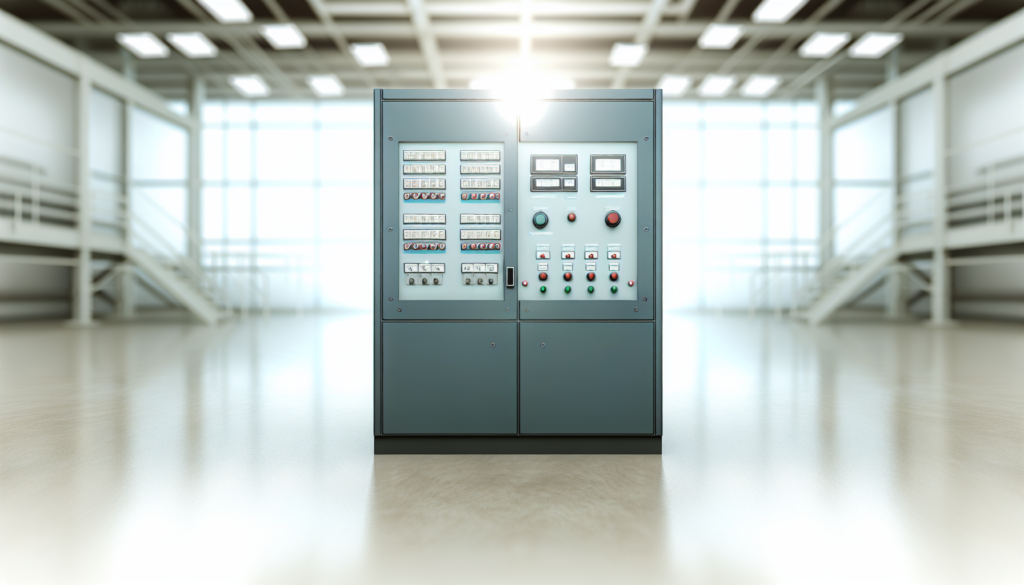
An industrial control panel is an assembly of electrical devices—such as circuit breakers, relays, motor drives, and programmable logic controllers (PLCs)—enclosed in a cabinet. These components work together to control and monitor machinery and processes in industrial settings. The panel acts as the central point for distributing power, receiving signals, and executing commands to keep machines running efficiently.
Panels can be as simple as a wall-mounted enclosure for a single motor or as complex as a room-sized suite of cabinets coordinating multiple automated lines. The common thread is their role in centralizing control and safeguarding both equipment and personnel. When designed and built correctly, a custom electrical panel will provide years of reliable service, adapting to the evolving needs of your facility.
The Core Components of Industrial Control Panels
A high-quality industrial control panel is more than just a box of wires. Each component inside plays a specific role in managing power and information. Understanding these core elements is essential for anyone considering a new installation or upgrade.
Power Distribution Devices
At the heart of every panel are devices that manage the incoming and outgoing flow of electricity. This includes main circuit breakers, fuses, and power distribution blocks. These components protect equipment from overcurrents and short circuits, minimizing the risk of fire or equipment failure. For example, a main circuit breaker will instantly disconnect power if it detects a dangerous overload, keeping both personnel and machinery safe.
Control Devices and Relays
Industrial control panels rely on relays, contactors, and timers to switch motors and other devices on and off at precisely the right moment. Programmable logic controllers (PLCs) are increasingly common, allowing for sophisticated automation and real-time monitoring. For instance, a PLC can be programmed to start a conveyor belt only when certain safety interlocks are engaged, preventing accidents and ensuring product quality.
Human-Machine Interface (HMI) Devices
A custom electrical panel may also include touchscreens, pilot lights, pushbuttons, and selector switches. These devices provide operators with vital feedback and manual control options. An HMI screen, for example, can display real-time process data and alarms, empowering your team to react quickly to any issues.
Custom Electrical Panel Design: Tailored to Your Operation
Every industrial process is unique, which is why off-the-shelf panels rarely meet the needs of a modern facility. Custom electrical panels are designed from the ground up to match your specific equipment, workflow, and safety requirements. This customization ensures that your control system is both effective and adaptable as your business evolves.
For example, a packaging plant may require a panel with multiple variable frequency drives (VFDs) to control conveyor speeds, while a chemical plant might need specialized relays for hazardous environments. By working with an experienced designer, you can ensure every detail—from component selection to enclosure material—is chosen to maximize reliability and safety.
Key Steps in Industrial Control Panel Design
Designing an industrial control panel involves more than just assembling parts. It’s a multi-step process that requires close collaboration between engineers, electricians, and end-users. Here’s a look at the essential stages:
1. Needs Assessment and Site Analysis
Every successful design begins with a thorough understanding of your process and environment. Designers will visit your site, analyze your equipment, and discuss operational goals. For example, they’ll consider factors like ambient temperature, potential exposure to dust or chemicals, and available electrical supply. This assessment ensures the panel is built to withstand real-world conditions.
2. Schematic Design and Component Selection
Next, engineers create detailed electrical schematics—essentially blueprints for your control system. These documents show how every wire, relay, and sensor will be connected. Careful component selection is crucial; industrial-grade parts are chosen for durability and compliance with relevant codes (like UL 508A in the U.S.). Choosing the right PLC or relay can mean the difference between seamless automation and frequent downtime.
3. Layout and Enclosure Considerations
The physical layout of your custom electrical panel matters as much as the wiring diagram. Components must be arranged for efficient heat dissipation, easy maintenance, and safe operation. For example, high-voltage devices are typically separated from control circuits to minimize electrical noise and risk of accidental contact. Panel enclosures are chosen based on location—stainless steel for washdown areas, or explosion-proof housings for hazardous zones.
4. Assembly, Wiring, and Testing
Once the design is finalized, skilled technicians assemble the panel, meticulously wiring every component according to the schematics. Quality control is essential; every connection is checked for tightness and continuity. The panel is then powered up for functional testing, ensuring relays trigger correctly, safety circuits work, and the system responds as expected. Only after passing a rigorous inspection is the panel delivered and installed.
Safety and Compliance: Meeting Industry Standards
One of the most critical aspects of industrial control panel design is compliance with safety standards. In the United States, panels must often meet UL 508A requirements, which cover everything from wire sizing to labeling and enclosure selection. Compliance ensures your panel is built to minimize fire and electrical hazards, protecting both personnel and equipment.
Beyond UL listing, panels may need to meet National Electrical Code (NEC) requirements or specific industry standards for food processing, pharmaceuticals, or hazardous locations. For example, a panel installed in a grain elevator—where dust can be explosive—must use special enclosures and wiring methods to prevent ignition. Failing to comply with these standards can lead to costly fines, insurance issues, and increased risk of accidents.
Common Challenges in Industrial Control Panel Design
Designing a custom electrical panel is rarely straightforward. One frequent challenge is managing space constraints. Modern panels must house more sensors, controls, and communication devices than ever before, yet facility space is often limited. Skilled designers use 3D modeling tools and modular layouts to maximize functionality in tight spaces.
Another challenge is ensuring future expandability. As your operation grows, you may need to add new machines or upgrade automation systems. A well-designed industrial control panel includes spare terminals, extra capacity in power supplies, and modular PLCs that can be easily expanded. This foresight saves time and money down the road, reducing the need for costly retrofits.
Energy Efficiency and Smart Panel Features
Today’s industrial control panels are evolving to meet demands for greater energy efficiency and smarter operations. Variable frequency drives (VFDs) and soft starters are now standard for controlling motor speed and reducing power consumption. For example, a VFD can ramp up a pump motor gradually, minimizing wear and lowering electricity bills.
Integration with plant-wide networks and IIoT (Industrial Internet of Things) systems is also on the rise. Modern panels can collect and transmit real-time data on equipment status, energy use, and even predictive maintenance needs. By leveraging these smart features, facility managers gain deeper insights and can optimize performance, often remotely from a central dashboard.
Maintenance and Troubleshooting Best Practices
Even the best-designed industrial control panel requires regular maintenance to ensure long-term reliability. Dust buildup, loose connections, and component aging can all lead to unexpected failures. Scheduling periodic inspections—checking for signs of overheating, corrosion, or vibration—can catch problems before they escalate.
Easy access to wiring diagrams and clear labeling inside the panel make troubleshooting much simpler when issues arise. For example, if a motor fails to start, a well-labeled panel allows technicians to quickly trace the control circuit and identify faulty relays or wiring. Investing in quality documentation and organization upfront pays dividends in faster repairs and less downtime.
Partnering with the Right Panel Design Experts
Choosing the right partner for your custom electrical panel design is as important as the components themselves. Look for a team with deep experience in your industry, proven UL 508A certification, and a collaborative approach to problem-solving. The best providers don’t just build panels—they act as trusted advisors, helping you anticipate future needs and avoid common pitfalls.
Ask to see examples of past projects, and discuss how they handle installation, commissioning, and after-sales support. A reputable firm will offer thorough documentation, training for your staff, and responsive service if issues arise. By investing in a quality partnership, you ensure your industrial control panel is a reliable asset for years to come.
Conclusion: Invest in Quality for Lasting Performance
A well-designed industrial control panel is the backbone of efficient, safe, and scalable industrial operations. From initial needs assessment through assembly and ongoing maintenance, every step matters. By understanding the basics of custom electrical panel design and partnering with experienced professionals, you’ll set your facility up for success—now and as your process evolves.
Ready to upgrade your control systems or need expert advice on a new installation? Contact our team today to discuss your project and discover how a custom industrial control panel can help you achieve safer, smarter, and more reliable operations.